
Slips and falls on snow and ice are among the most common winter injuries, and most of them happen in the same few places: entrances, ramps, steps, sidewalks next to the building and the path from the parking spot to the door. Here is how to reduce the risk on your property this winter.
Know your responsibilities
In Ontario, owners and occupiers of property have a duty under the Occupiers’ Liability Act to take reasonable care that people on the property are reasonably safe, and that includes snow and ice. Since January 2021, a person injured by snow or ice on private property generally has to give written notice within 60 days of the incident, which makes good, dated records more important than ever. Municipalities, including Hamilton and Brantford, also have their own rules about clearing sidewalks next to your property. This checklist is practical guidance, not legal advice; talk to your lawyer or insurer about your own property.
Before winter: the walk-through
Walk the property in October or early November, while it is still clear:
- Mark curbs, islands, hydrants, drains, bollards and speed bumps with stakes so plows can find them
- Repair potholes, heaved paving stones and broken curbs that catch boots and plow blades
- Check downspouts: water draining across a sidewalk refreezes into black ice every night
- Check lighting on paths, entrances and the parking lot; slips spike after dark
- Agree snow storage areas away from entrances, drains, sight lines and accessible spaces
- Check handrails on steps and ramps are secure
- Put down large entrance mats inside every door, with spares for rotation
- Sign a snow and ice contract with a clear trigger depth, salting plan and service log
High-risk areas: clear and salt these first
- Main entrances and vestibules, inside and out, where snow melts off boots.
- Ramps, curb cuts and accessible parking spaces, used by people with the least margin for a fall.
- Steps and stairs, including the bottom and top landings.
- The route from the parking lot to the door, including crosswalks.
- Areas under downspouts and roof edges, where melt water refreezes.
- Loading docks and staff entrances, used early in the morning before the public arrives.
- Shaded areas on the north side of buildings, which stay icy for days.
Salting that actually works
- Salt before freezing rain, not just after. Pre-treating stops ice from bonding to the pavement.
- Re-salt after the plow, because plowing removes the salt along with the snow.
- Watch freeze-thaw cycles. A sunny afternoon melts snow piles; the melt water freezes overnight. Morning salting matters on those days.
- Use the right amount. Too little does not work; too much damages concrete, landscaping and vehicles, and gets tracked indoors.
- Mind the temperature. Rock salt slows down dramatically in deep cold; in extreme cold, sand for traction or other de-icers may be needed.
Storm-day priorities
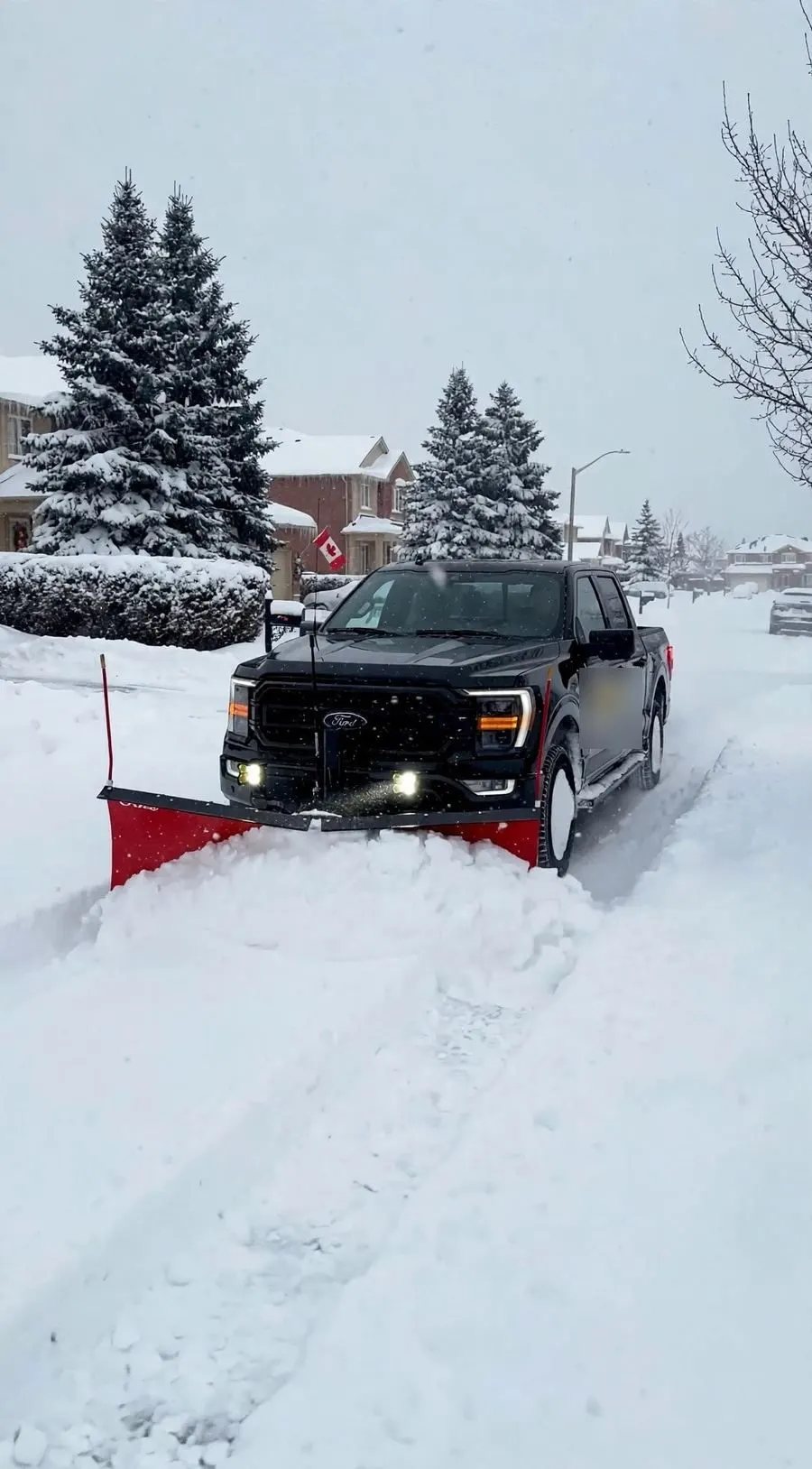
During a storm, focus on what keeps people moving safely: entrances, ramps, accessible spaces and main walkways first, then the drive aisles, then the rest of the lot. Long storms need several passes, so snow does not pack down into ice. Close off or sign areas that cannot be kept safe, such as a rarely used side door, rather than leaving them half-cleared.
Indoors: the forgotten slip zone
Melting snow and salt make entrance floors slippery. Use two mats at every entrance (one outside, one inside), rotate wet mats, keep “wet floor” signs ready, and mop entrances several times a day during storms. Salt residue also damages floor finishes and carpets; plan an end-of-season floor clean. Our commercial cleaning and carpet cleaning services handle both.
Records: your best protection
Keep a winter log for every property:
- Date and time of every plow, shovel and salt visit, from your contractor’s service log
- Weather on each day: snowfall, freezing rain, temperature
- Inspections by your own staff, with the time and what was found
- Any complaints or incidents, with photos taken at the time
- Copies of your snow contract and proof of the contractor’s insurance and WSIB coverage
Store the log with your insurance documents. If you receive a notice of a claim, give it to your insurer straight away.
After winter
When the snow season ends, walk the property again: note damage from plows, repair curbs and landscaping, sweep up leftover salt and sand, and clean entrance floors and carpets properly. Then review the season with your contractor and adjust the plan for next year.
Need a snow and ice partner?
MC Services provides commercial snow removal, parking lot snow plowing and salting and ice control for commercial properties in Hamilton and Brantford, with a dated log of every visit. Our crew is insured and covered by WSIB. Call or WhatsApp 647-921-1060 for a free site visit, and read seasonal vs per-push snow contracts to choose the right contract.
Email offers
Get 10% off your first clean
Join our email list for a welcome code, plus our Diwali, Black Friday, holiday and spring cleaning offers before anyone else. No spam, and you can unsubscribe at any time.